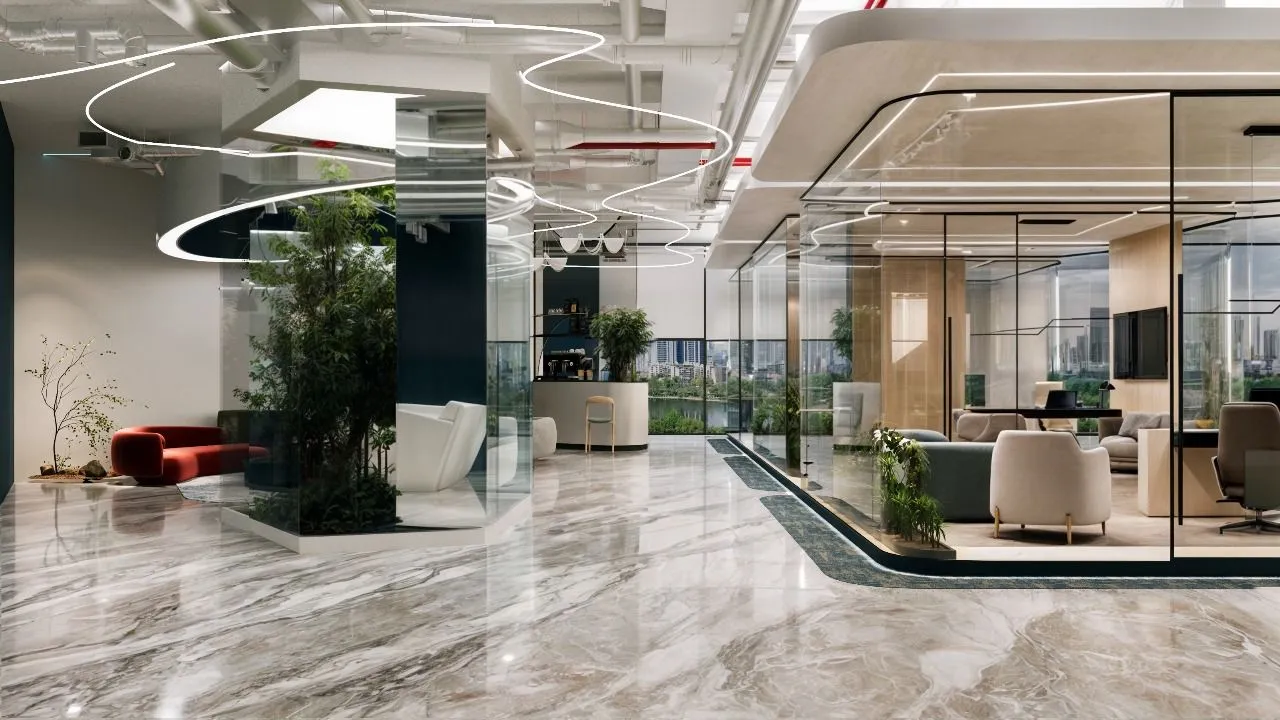
Two worlds exist within the same industry, each holding a distinct appeal for different kinds of clients. One path offers rare materials and custom craftsmanship, while the other provides stylish solutions for practical budgets. Each approach carries unique advantages and challenges that shape the final result of any project. An experienced interior design company recognizes that both strategies hold value for their respective audiences.
Premium material choices:
Top-tier projects feature hand-selected stones, exotic hardwoods, and custom finishes that cannot be found in standard showrooms. These materials carry a higher cost but offer unmatched durability and visual impact over the years. Affordable approaches utilize engineered woods, quality laminates, and composite surfaces that replicate expensive looks with impressive accuracy. Both options serve their purpose, yet the tactile experience and long-term performance differ significantly between them.
Design flexibility:
Luxury contracts allow for complete customization, from furniture dimensions to lighting placement and wall treatments. Clients can request unique shapes, specific color matches, and one-of-a-kind installations tailored to their space. Budget-friendly packages often rely on pre-designed modules and standardized sizing to control manufacturing costs. This limitation encourages creative placement strategies, making the most of available pieces without sacrificing visual harmony.
Timeline considerations:
High-end commissions frequently span several months due to custom production schedules and artisan work requirements. The waiting period delivers exceptional results but demands patience from the client from start to finish. Affordable solutions focus on readily available inventory and quick assembly, reducing project timelines to a few weeks. Faster completion suits clients with immediate needs, though the selection remains limited to current stock offerings.
Client expectations:
Those choosing premium services anticipate white-glove treatment, including detailed consultations and site visits throughout the process. They expect every element to align perfectly with their vision and lifestyle preferences. Value-conscious clients prioritize functionality and cost-effectiveness over bespoke details and personalised attention. Both groups deserve respect for their priorities, and skilled professionals adapt their service approach accordingly.
Maintenance requirements:
Natural stones, delicate fabrics, and hand-finished surfaces demand regular care and occasional professional treatment to preserve their beauty. These materials reward diligent upkeep with decades of service and sustained visual appeal. Alternative products like vinyl flooring, polyester upholstery, and melamine cabinetry offer excellent stain resistance and simple cleaning routines. Lower maintenance needs attract busy households seeking beautiful spaces without constant attention.