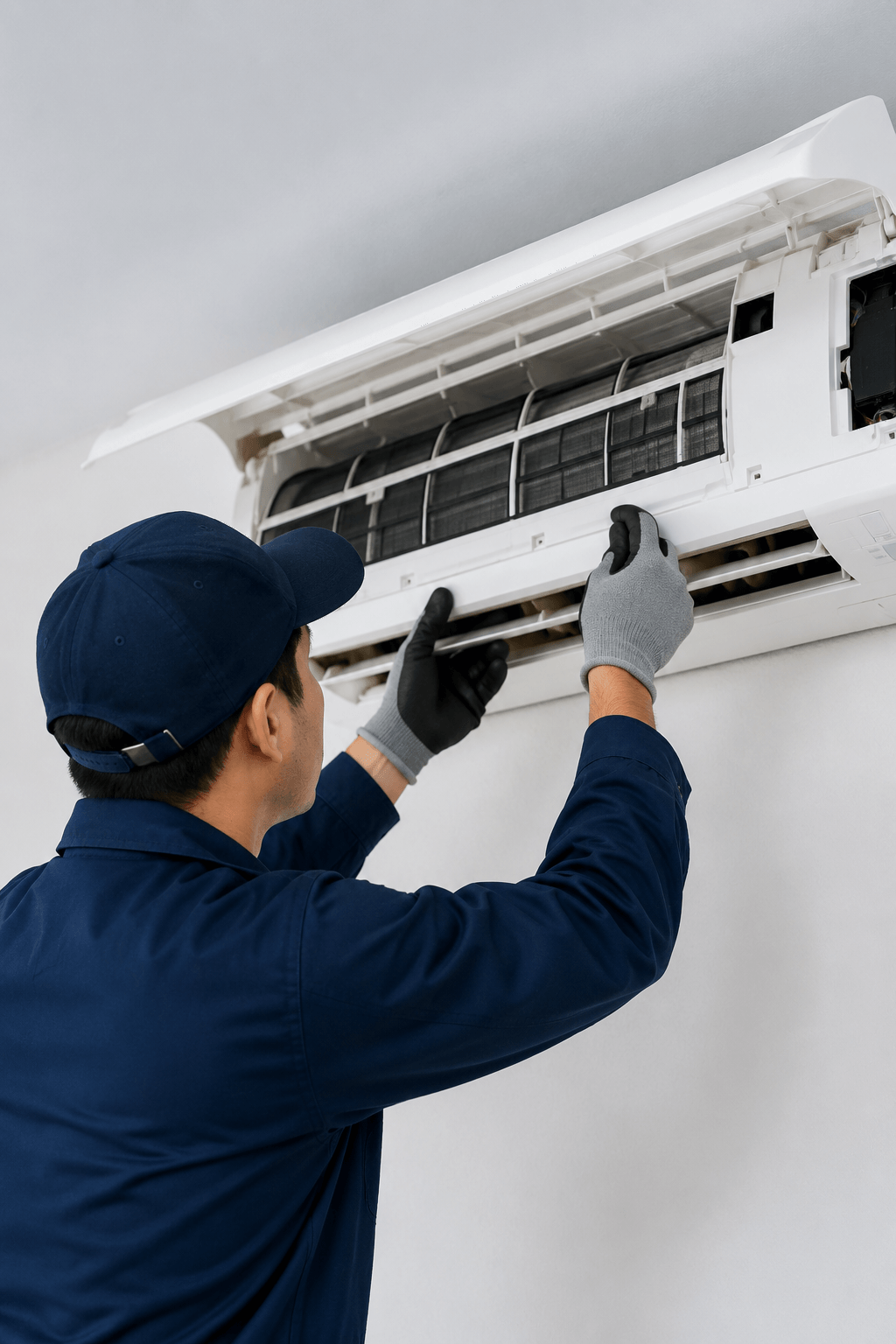
Warm days put extra pressure on your air conditioner, so routine care keeps the system ready for daily use. A simple inspection helps spot small issues before they turn into costly repairs. From filters and coils to airflow and electrical parts, each item deserves a quick check. Use this checklist before your next AC service in Dubai appointment to keep your cooling system in good shape.
Check the air filter
A dirty filter blocks airflow and makes the system work harder. Inspect the filter for dust, dirt, and buildup. Replace a disposable filter when it looks clogged. Clean a reusable filter and let it dry fully before putting it back.
Inspect the thermostat
Check the thermostat settings and confirm that the display works properly. Set the desired indoor temperature and watch how the AC responds. If the room stays warm despite a low setting, mention the issue during the service visit.
Clean the outdoor unit
Look around the outdoor unit for leaves, grass, dirt, and other debris. Keep the area around it clear so air moves freely. Inspect the cabinet for visible damage and check the fan for unusual movement or noise.
Examine the indoor vents
Walk around the home and inspect each supply and return vent. Remove dust from the covers and ensure furniture does not block airflow. Uneven cooling from room to room may point to airflow issues that deserve professional inspection.
Check the drain line
The condensate drain removes moisture from the AC system. Look for standing water, algae, or signs of a blockage near the drain area. A clogged line may cause water leaks and indoor moisture problems. Ask the technician to inspect and clear the line during routine service.
Listen for unusual sounds
Turn on the AC and listen for rattling, buzzing, squealing, grinding, or clicking. Strange sounds may point to loose parts, motor trouble, or other mechanical concerns. Share specific sounds and when they occur with the technician.
Review cooling performance
Pay attention to how quickly the system cools the rooms and how evenly it distributes air. Check for weak airflow, warm air, frequent cycling, or unusual humidity. These signs give the technician useful clues during the inspection.